Sports Physiotherapy for Injuries
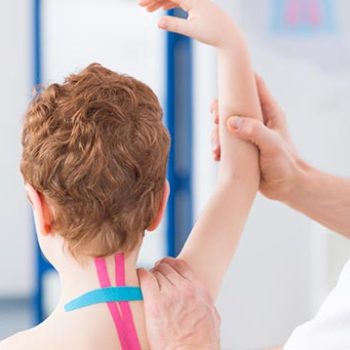
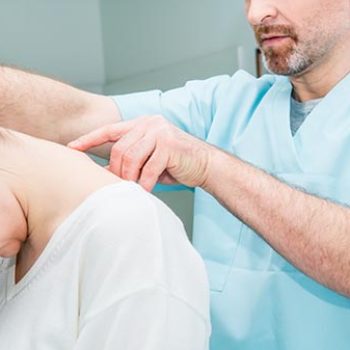
For many people, sport is a way of life. It improves health, relieves stress and is fun. However, injuries can sometimes occur, such as a sprained ankle while playing football or a dislocated shoulder during a tennis match. Injuries can also occur when the body is subjected to excessive strain before it is ready to tolerate it, such as attempting to run a marathon before you are ready. Sports physiotherapy is a way to relieve pain, improve physical condition, and enhance performance through manual therapy.
People usually go to an osteopath when they have pain or an injury, but sports injury physiotherapy also helps prevent these injuries by identifying physical deficits and advising patients on how to avoid repeating injuries in the future.
Most common sports injuries
Most sports injuries are caused by a direct blow (bruises, contusions, fractures) or indirect force (sprains and tears). Other injuries are due to overexertion (tendon injuries, stress fractures). The most common injuries are:
Muscle strain
Who hasn’t ever pulled a muscle while playing sports? It’s one of the most common sports injuries. The muscle is overstretched and tears. Muscle strains mainly affect the calves, quadriceps, groin, lower back and shoulder areas. They can usually be relieved with a little rest, ice and sports physiotherapy.
Anterior cruciate ligament rupture
The anterior cruciate ligament is the part of the body that helps hold the knee joints together. A torn ligament is extremely painful and makes walking impossible. This injury is usually caused by a direct blow to the knee. Treatment requires surgery followed by sports physiotherapy.
Medial collateral ligament tear
This is another type of ligament tear, in this case in the part that connects the femur to the tibia. This tear usually occurs when the knee is pushed sideways. Treatment involves ice compression, orthopaedic devices, and sports physiotherapy sessions.

Pimples
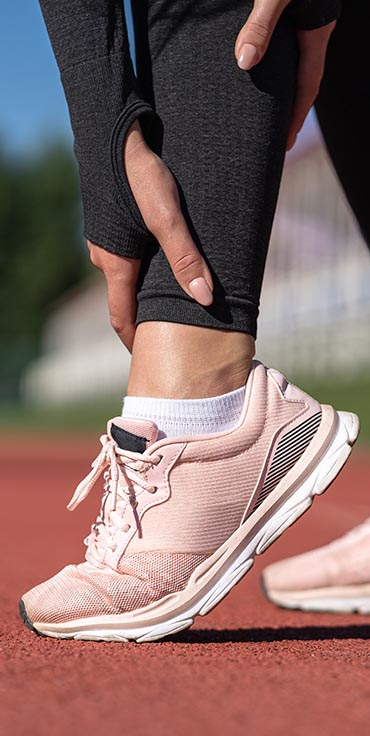
It is the most common injury among runners, caused by overuse of the inner leg or shin. Athletes with flat feet are more susceptible to this condition.
Stress fracture
Another type of overuse injury is a stress fracture. This occurs when the muscles can no longer withstand the pressure and a fracture occurs. The areas most affected by stress fractures are the lower legs and feet, and they are more common in women than in men.
Plantar fasciitis
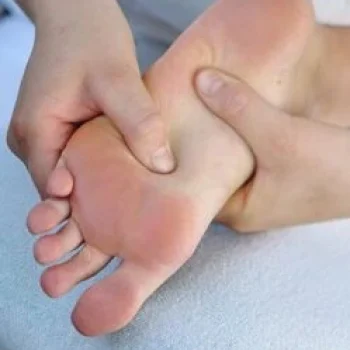
The main cause of this injury is inflammation of the ligament that connects the heel to the front of the foot. It is usually caused by excessive tension and stress. It can be treated with ice, anti-inflammatory medication and stretching exercises. In more severe cases, surgery and sports physiotherapy may be necessary.
Sprained ankle
It is one of the most common fractures, occurring when the ligament that supports the joint is overstretched due to an incorrect step or a bad twist or turn. Ankle sprains are usually healed with rest, ice, compression and elevation. However, more serious injuries require a cast for several weeks to aid healing.
Tennis elbow
This fracture occurs especially in players who practise racket sports, due to an injury to the outside of the elbows caused by excessive use. In mild cases, it can be treated with rest and anti-inflammatory medication, while in more severe cases, surgery may be necessary.
Achilles tendinitis
Inflammation of the Achilles tendon at the back of the lower leg, just above the heel, causes this condition. Treatment includes rest, ice, stretching and anti-inflammatory medication, supported by sports physiotherapy.
Prevention of sports injuries
Physiotherapists specialising in sports injuries not only treat existing injuries, but also help to prevent them. Using specialised and personalised techniques, our physiotherapists work to optimise recovery, improve performance and prevent future injuries.
This comprehensive approach includes detailed assessments, manual therapies, therapeutic exercises and rehabilitation programmes tailored to each patient’s individual needs. Whether you are a professional athlete or an amateur, we are here to help you stay in top physical shape and enjoy your favourite sport without limitations.
Here are some tips to help you avoid sports injuries:
Use the right sports equipment for the sport you play, as many injuries are caused by using inappropriate equipment.
Always take the time to warm up before starting any sport or intense physical activity.
Avoid overexertion, which can trigger a muscle injury.
Take the necessary breaks to allow your body to recover.
Start gradually, as a sudden increase in activity can put excessive strain on your bones, muscles and joints, causing injury.
Learn to listen to your body. Back off at the first signs of discomfort or pain to prevent the injury from getting worse.
What are the benefits of rehabilitation for sports injuries?
Our physiotherapists specialising in sports injuries will work with you to provide comprehensive rehabilitation treatment that will give you the following benefits:
- Restore full functionality in the shortest possible time
- Quick recovery and return to sport
- Strengthening weakened muscle groups
- Reducing pain and inflammation from the injury
- Maintaining cardiovascular fitness while not playing sport
- Minimising the risk of future injuries
- Improving flexibility and coordination
- Advice on appropriate footwear and equipment
Who can use physiotherapy for sports injuries?
Whether you are a high-level athlete or have injured yourself while participating in a recreational activity, the physiotherapists at Fisioterapia en Ibiza can design a comprehensive rehabilitation treatment plan to help you regain your physical fitness as quickly as possible. Some of these treatments are also included in physiotherapy for childhood sports injuries. Our physiotherapists have extensive experience in treatments such as:
- Recent or chronic injuries
- Knee ligament rupture or tear
- Shoulder dislocation or separation
- Rotator cuff injuries
- Frozen shoulder syndrome
- Stress fractures
- Hamstring strain
How does physiotherapy help with sports injuries?
Not all types of injuries are the same. Depending on the type of injury, it may take weeks or even months to fully recover, or it may require other types of physiotherapy treatments such as respiratory or neurological therapy. You will need physiotherapy treatment through a series of exercises that will help you restore the full range of motion you had before the injury.
Our sports physiotherapists will conduct an initial consultation and design a recovery programme depending on your type of injury, making the recovery process as easy as possible. Therefore, if you have had a weekend mishap or are a professional athlete who needs a sports physiotherapist, please contact Physiotherapy in Ibiza and ask us any questions you may have.